In today’s extremely competitive business environment, a strong marketing strategy isn’t just a good idea; it’s a must। Having a well-thought-out marketing strategy is important for achieving long-term goals, standing out, and connecting with customers, whether you’re a young entrepreneur, a growing startup, or a established brand।
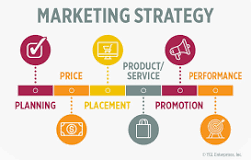
However, what exactly is a marketing strategy? And how do you make it work?
Let’s go deep into marketing strategy—its meaning, parts, benefits, and how to make one that works।
What is a Marketing Strategy?
A marketing strategy is a long-term plan to achieve business objectives by promoting a product or service। It lays out ways to attract and retain customers, communicate your value proposition, and position your brand in the market।
Simply put:
The game plan that helps you win in the market is a marketing strategy।”
It works with your business goals by combining market research, brand messaging, target audience identification, and choosing marketing channels।
Why is a Marketing Strategy Important?
Many businesses jump into promotion without a clear strategy. The result? Wasted time, money, and effort A strong marketing strategy guarantees:
Clarity and Concentration: You know who you’re targeting, what message you’re sharing, and how you’ll get to them।
Efficient Use of Resources: tactics that work are focused on your time and money।
Competitive Advantage: A strategy makes it easier for your brand to stand out in a crowded market।
Scale: Sustainable growth is easier with a structured approach।
Key Components of an Effective Marketing Strategy
Let’s break down the key components that make up a successful marketing strategy:
1.Target Audience:
Understanding who your customers are is the foundation. Define your target audience using the followi
Demographics (age, gender, income)
Psychographics (lifestyle, values, interests)
Behavior (buying patterns, online habits)
Your strategy will work better if you are more precise।
2. Value Proposition
Why should someone choose you over competitors?
Your value proposition should emphasize the unique advantages of your good or service।
Example:
Our meal delivery service delivers chef-made meals to your doorstep in 30 minutes or less।fresh, fast, and nutritious।”
3. Competitive Analysis
Study your competitors. Identify:
What they do well
Where they fall short
What gaps can be filled?
Use this insight to strategically position your brand।
4. Marketing Channels
Choose the right combination of offline and online channels according to your audience and budget.These may include:
Social media (Instagram, LinkedIn, YouTube)
Email marketing
SEO and content marketing
Paid ads (Google Ads, Facebook Ads)
Events, print, and partnerships (for local reach)
5. Goals and KPIs
et clear, measurable objectives. For example:
Increase website traffic by 30% in 3 months
Grow Instagram followers to 10,000
Generate 500 qualified leads per month
Align your goals with your KPIs (Key Performance Indicators)।

6. Budget Allocation
Decide how much to spend and where. Budgeting helps prioritize efforts and avoid overspending.
Steps to Build a Powerful Marketing Strategy
Here’s a simple step-by-step process to build your own marketing strategy:
Step 1: Conduct Market Research
Start with a SWOT (Strengths, Weaknesses, Opportunities, and Threats) analysis. Understand market trends, customer needs, and competitor moves.
Step 2: Define SMART Goals
Specific, Measurable, Achievable, Relevant, and Time-bound।
Example:
By the end of the second quarter, achieve a 10% increase in email open rates।”
Step 3: Create Buyer Personas
Create comprehensive profiles of your ideal customers। Includ their pain points, goals, and how they make decisions।
Step 4: Choose Marketing Tactics
Do you concentrate on inbound (content, SEO) or outbound (ads, cold emails) marketing? Your target audience and goals should be aligned with your tactics।
Step 5: Implement and Monitor
Your campaigns during launch। Use tools like Google Analytics, HubSpot, or SEMrush to monitor and modify output।

Examples of Effective Marketing Strategies
Apple: Focus on Simplicity and Emotion:
Apple’s marketing strategy focuses on consistent branding, emotion-driven messaging, and minimalism। They are not just selling products; they are selling a lifestyle।
Zomato: Humor and Hyperlocal Content:
Zomato uses relatable humor, regional content, and data-backed campaigns to target user behavior to strengthen its social media strategy।
Nike: Storytelling and Purpose
Nike’s strategy for connecting with consumers through inspiring stories and a strong brand objective, “Just Do It।””
Common Mistakes to Avoid
Targeting “everyone” instead of a niche
ignoring performance metrics and analytics
copying rivals without changing
Focusing only on short-term tactics
Future of Marketing Strategy: What’s Next?
The landscape is always changing. Here are a few trends shaping modern strategies:
- AI and Automation: Personalized advertising on a large scale
- Optimization of Voice Search: Growing with smart gadgets
- Interactive Content: quizzes, surveys, and augmented reality experiences
- Sustainability Communication: Brand adhering to environmental principles
Strong strategy includes remaining adaptable and receptive to new tools and trends।
Conclusion
A successful marketing strategy does not include all of these things—It is about making the right decisions। Your marketing strategy can turn browsers into buyers and customers into loyal fans if it is based on customer insight, aligned with business goals, and executed regularly।
Take time to develop your plan.Because in the end, strategy beats luck—every time.